Tracking the International Space
Station (ISS) in 3D

Applications that track the International Space Station are easy to find online,
but their features and capabilities vary. Your challenge is to build and publish
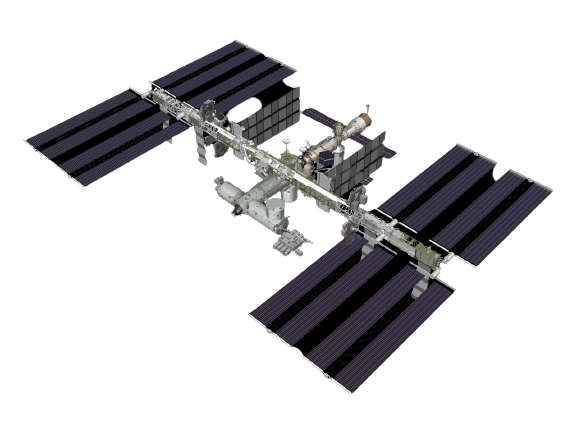
an open-source web application that tracks the space station in three dimensions.
History


  • 1 Nov 1998

    The First Module of the ISS was Launched

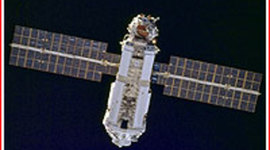
    The Russians launched the first piece of the ISS, the control module, in November 1998. This Module was given the name Zarya.

  • 1 dec 1998

    Unity is launched

    The US launched their first module of the ISS in December 1998. This would serve as a connecting corridor between sections.

  • 1 july 2000

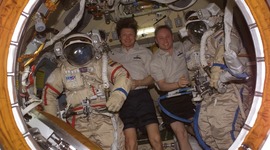
    The living quarters of the first crew

    The Russians launched the first service module of the ISS, Zvezda, which would later serve as living quarters of the first crew.

  • 1 jan 2001

    The first solar array added

    In 2000 the first solar array of the ISS was added. This would serve as a power supply for the station.

  • 1 jan 2002

    Docking station attached

    The first docking station for the ISS was launched in 2002. This allowed further supplies and crew to be delivered there.

  • 1 feb 2003

    Space shuttle destroyed

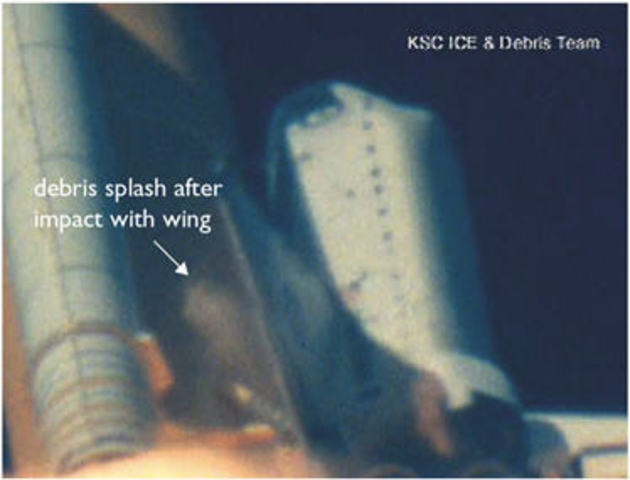
    Colombia, a space shuttle for the ISS, was destroyed during one of it's flights over Texas. Seven crew members were killed.

  • 1 oct 2007

    New laboratory added to the ISS

    In October of 2007 the European Space Agency and the US launched a new Labratory unit for the Station.

  • 1 feb 2010

    First observation module launched

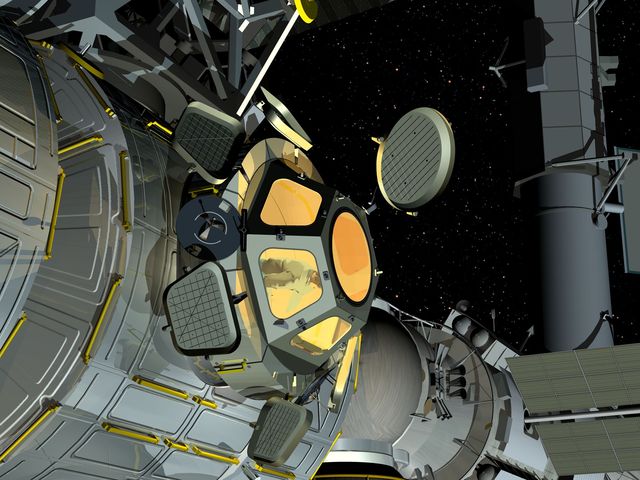
    The first observation module, called the Cupola, was launched by Nasa to assist the current crew.

  • 1 jan 2011

    Rocket failure on launched

    A rocket failed in 2011, halting the progress of the ISS and stopping crew rotations.

  • 22 may 2012

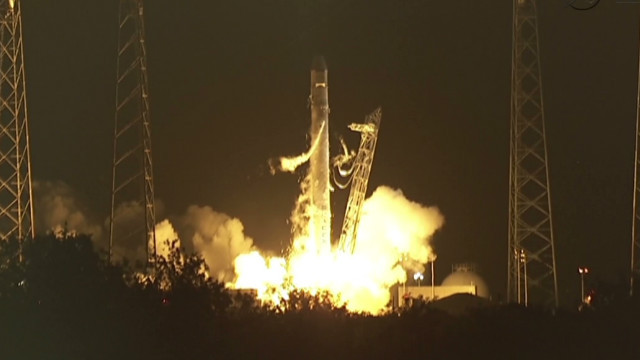
    First commercial flight to ISS

    On the 22nd of May, 2012, the first commercial flight was sent up to the ISS by the Space Exploration Technologies Corp.

  • 30 sept 2013

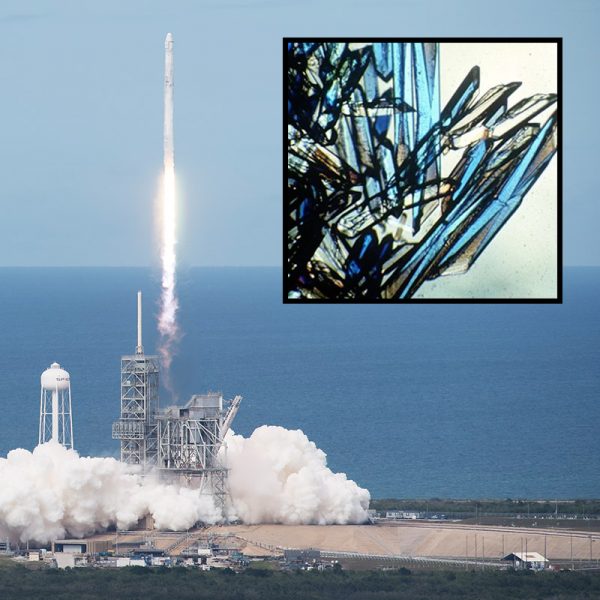
    The First ISS National Lab Research Flight

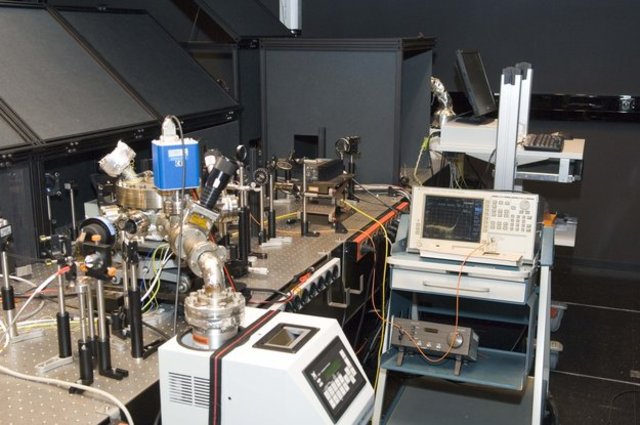
    Proteins can be grown as crystals in space with nearly perfect three-dimensional structures useful for the development of new drugs.

! Font Awesome Pro 6.2.0 by @fontawesome - https://fontawesome.com License - https://fontawesome.com/license (Commercial License) Copyright 2022 Fonticons, Inc.